
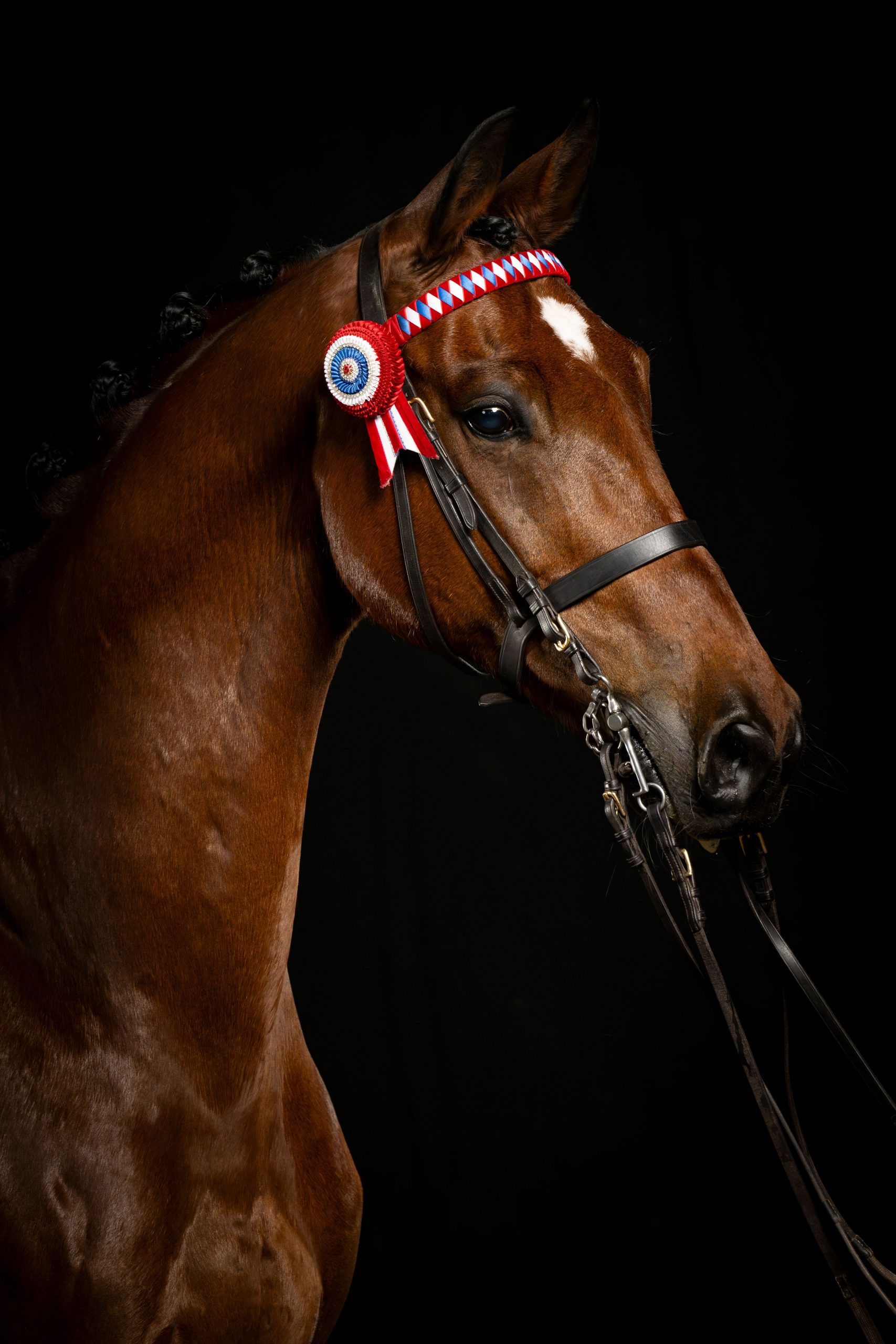

Few places carry their equestrian tradition as naturally as Great Britain. Here, the horse is woven into the landscape itself – in the gallops of Newmarket at dawn, in the hedgerows of old hunting country and in the stable yards of estates that have bred and ridden horses for generations. As a result, riding in Britain rarely feels like an activity. Instead, it feels like stepping into a story that has been told for centuries.
In this guide, we explore where that tradition comes from, how it still shapes the countryside today and how an Equinspired journey lets you experience it privately, at your own pace.
Where Britain’s equestrian tradition began
Long before motorways and railways, the horse was the engine of British life. Farmers ploughed with heavy horses, merchants travelled by coach and the gentry rode out across their land every morning. Over time, those everyday skills became traditions of their own: hunting, racing, showing and the quiet discipline of the stable yard.
Newmarket, in Suffolk, has long been known as the home of British horseracing. Royal patronage helped it flourish, and today you can still watch strings of racehorses exercising on the heath at first light. Meanwhile, the National Horseracing Museum at Palace House tells the story of the sport in remarkable detail. Further south, Royal Ascot – founded in 1711 – remains one of the most elegant occasions in the sporting calendar.

A culture shaped by the horse
Yet the true character of British equestrian life is often found far from the grandstands. It lives in quiet country lanes, in rolling parkland and in the unhurried rhythm of a morning ride across open fields. In fact, many of the country’s most beautiful landscapes were shaped by riders: bridleways follow ancient routes, and hedgerows mark the boundaries of old hunting country.
Similarly, the great country estates kept horses at the heart of daily life. Their stable blocks were often as handsome as the houses themselves, built in warm brick or honeyed stone around a clock tower. Many still keep horses today, and some open their yards and parkland to a small number of guests.
Regions with a strong riding heritage
- Suffolk and Newmarket – racing history, early-morning gallops and the elegance of the sport.
- The Cotswolds – honey-coloured villages, wide valleys and long, quiet bridleways.
- Exmoor and Dartmoor – open moorland, native ponies and a wilder kind of beauty.
- The Scottish Borders – common ridings, castles and some of the most generous hospitality anywhere.
Elegance without effort
What makes Great Britain so compelling is its understatement. Tweed rather than spectacle. Tradition kept alive not for show, but because it has always been done that way. Consequently, a day in the saddle may end beside a fire in a country house, with the kind of hospitality that never needs to announce itself.
There is also a particular etiquette to riding here. Riders greet one another on the lane, thank drivers who slow down and leave gates exactly as they found them. These small courtesies are part of the equestrian tradition too, and they make the experience feel personal rather than staged.
In Britain, the horse is not an attraction. It is part of the family, the landscape and the history of every village you ride through.
How to experience the equestrian tradition today
For visiting riders, the challenge is not finding horses – it is finding the right ones, with the right people and in the right places. That is why we work only with yards we know personally, where horses are fit, happy and well schooled. You can read more about how we choose them in Horse First: what we look for in the stables we choose.
A typical British chapter might include:
- private hacks through historic parkland on horses matched to your experience;
- a behind-the-scenes morning in racing country, watching the strings work on the heath;
- an introduction to the traditions of the hunting field, told by people who have lived them;
- stays in characterful country houses, with long dinners and a fire waiting at the end of the day.
Above all, every detail is shaped around you – your level, your interests and the pace at which you like to discover a place. Some guests ride every morning; others prefer one long ride and an afternoon in a garden or a gallery. Both are exactly right.
When to ride in Great Britain
Late spring and early autumn are often the most rewarding seasons. In May and June the countryside is at its greenest, the evenings are long and the racing calendar is in full swing. By contrast, September and October bring golden light, quieter lanes and the first crisp mornings of the season. Winter riding has its own magic, although shorter days mean more time by the fire.
Whatever the season, pack layers and a good waterproof. Our guide to what to pack for an equestrian journey covers everything else.
Riding it the Equinspired way
Britain’s equestrian tradition is best experienced slowly, with time to talk to the people who keep it alive. Therefore, we design each journey privately, from the first conversation to the final ride, and remain your point of contact throughout. If you would like to compare it with other regions, discover the white horses of the Camargue or the art and soul of the Spanish horse.
Begin your own chapter. Every Equinspired journey is designed privately around your riding, your pace and the feeling you are searching for. Start the conversation or explore our destinations.