
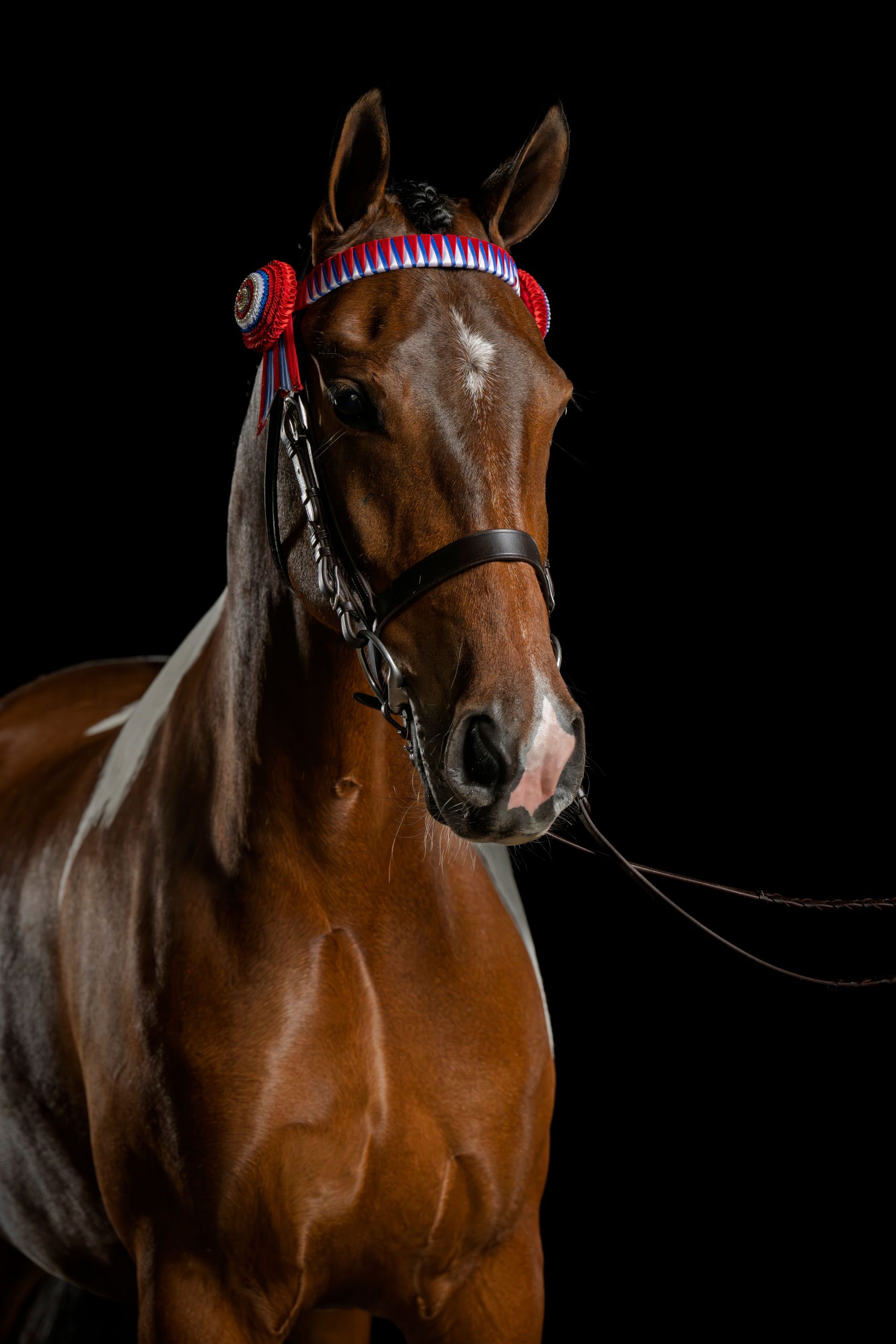

Classical riding, proud horses and a heritage that has captivated riders for centuries – few places celebrate the Spanish horse quite like Andalusia. Here, horses are not simply ridden. Instead, they are admired, dressed for festivals, trained with patience and talked about with the same passion as music or wine. As a result, a journey through southern Spain on horseback feels like entering a living work of art.
In this guide, we explore the history of the breed, the places where its culture is strongest and how to experience it privately.
The story of the Spanish horse
The Pura Raza Española, often called the Andalusian, is one of the oldest and most admired breeds in Europe. For centuries it was the horse of kings and generals, prized for its courage, balance and willingness to learn. Remarkably, some of its finest bloodlines were preserved by Carthusian monks near Jerez de la Frontera, who bred their horses with great care.
Today, the Spanish horse is recognised instantly by its arched neck, thick mane and elevated, expressive movement. Above all, it has a generous temperament. It is sensitive to the rider, eager to please and calm in company – qualities that make it a joy to ride, whatever your level.
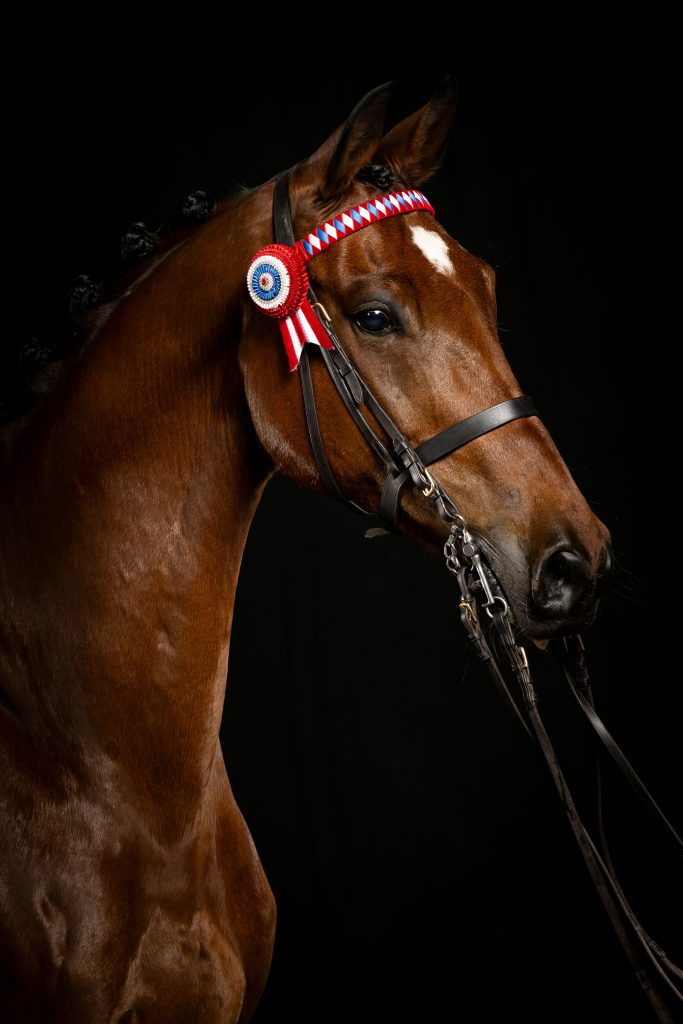
Where to see the Spanish horse at its finest
Jerez de la Frontera is the natural starting point. The Royal Andalusian School of Equestrian Art presents its famous performance, “How the Andalusian Horses Dance”, in which horse and rider move together to Spanish music. Meanwhile, the city’s Horse Fair each May fills the streets with carriages, riders and flamenco dresses.
Seville, too, celebrates the horse during its spring fair, when elegant riders and carriages parade through the fairground. Further west, the pilgrimage to El Rocío brings riders across the countryside on horseback, as it has for generations.
Classical riding and doma vaquera
Andalusia has two great riding traditions. Classical dressage, or alta escuela, is precise and theatrical. By contrast, doma vaquera is the working style of the cattle herders, ridden with one hand on the reins and a long garrocha pole. Both demand trust between horse and rider, and both are wonderful to watch – or to try in a private lesson.
Riding a well-schooled Spanish horse feels like a conversation: the lightest touch is answered at once.
Riding the Spanish horse in Andalusia
A ride here might follow old drovers’ tracks through cork oak forests, climb into the hills above white villages or cross the open marshes near Doñana. In addition, the region’s great cortijos – traditional country estates – often keep their own horses and welcome a small number of guests for private riding.
An Andalusian chapter can include:
- private rides on Spanish horses matched to your experience;
- a lesson in classical dressage or doma vaquera with an experienced trainer;
- a visit to a historic stud to meet the mares and foals;
- evenings in Jerez, with sherry bodegas, tapas and flamenco;
- stays in quiet cortijos surrounded by olive groves and open country.
When to visit Andalusia
Spring is the season of festivals, and April to early June is ideal for riding. Similarly, late September to November brings mild days and golden light. Summer is very hot inland, so we plan early starts and long, shaded lunches at that time of year. For packing advice, see our guide to what to pack for an equestrian journey.
Why the Spanish horse stays with you
Many guests tell us that riding in Andalusia changed the way they think about horses. That is not surprising. The Spanish horse is ridden with refinement, cared for with pride and celebrated as part of the region’s identity. If you are drawn to places where riding is a way of life, you may also enjoy the white horses of the Camargue and the equestrian tradition of Great Britain.
Begin your own chapter. Every Equinspired journey is designed privately around your riding, your pace and the feeling you are searching for. Start the conversation or explore our destinations.